

Article
Soy and Corn: Healthy Choices or Hidden Ingredients?!
Corn and soy can be wholesome and delicious. They're two of the most versatile and popular staples in the world; they're rich in vitamins, minerals and dietary fiber. They're also widely available in the U.S.—in fact, corn and soy make up two-thirds of grain and oilseed crop acreage in the country.
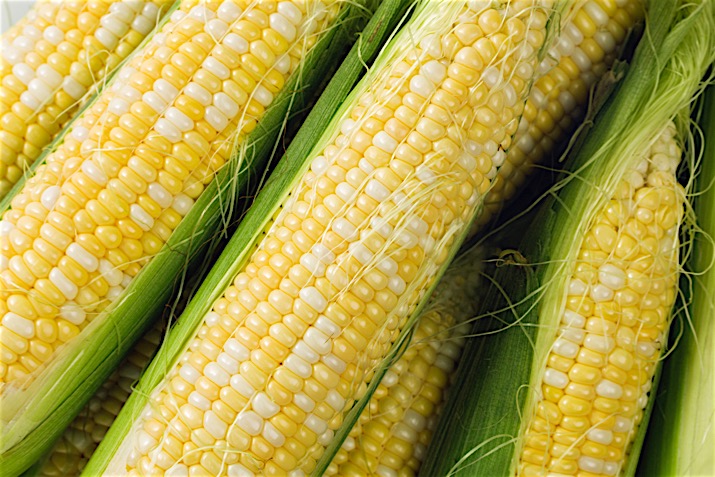
For many, nothing says "summer" more than delicious sweet corn on the cob. And sweet, nutty flavored edamame (fresh soybeans) has fast become a favorite in the U.S. (not to mention tofu and other soy products for meat and milk substitutes). These foods are considered healthy and nutritious. But whether or not you eat these particular foods, you're also likely eating a lot of hidden corn and soy as both are widely used in a host of processed foods. In pursuit of a varied and nutritious diet, it’s worth taking the time to understand how much of these two plants you are consuming—and how!
Corn and Soy Facts
Corn and soy are grown around the world. They are some of the most efficient plants when it comes to transforming sunlight and chemical fertilizer into carbohydrate energy (in the case of corn) and fat and protein (in the case of soy).
Corn
- Sweet corn (grown to be eaten fresh, frozen or canned) makes up less than 1% of all corn planted in the U.S.
- How is corn used? In the U.S, corn crops are used for ethanol production (37%), animal feed (33%), exported to other countries (11%), high-fructose corn syrup, sweeteners, beverage alcohol and cereals (11%), industrial use (8%).
- About 89.1 million acres of corn were planted in the U.S. in 2018, 92% of which are genetically engineered varieties.
Soy
- The majority of soybeans grown in the U.S., 98 percent, are used for animal feed and soybean oil (the soybeans are crushed to extract the oil; the remnants of the soybean are used for animal feed).
- The remaining two percent of soybeans are used for human consumption in foods like baked goods and meat substitutes.
- About 89.6 million acres of soybeans were planted in 2018, 94% of which are genetically engineered varieties that are herbicide resistant.
There are other reasons to want to know that corn or soy derivatives (ingredients made from corn or soy) are in your food. One, of course, is if you're allergic to either. Another is if you're trying to avoid foods that are high in sugar and empty calories (corn derivatives, in particular, are sometimes used as "filler" in food production and provide very little nutritional value). Finally, you'll want to be alert for corn and soy derivatives if you're trying to avoid foods that are produced through genetic engineering. The vast majority of both crops grown in the U.S. are genetically engineered and their inclusion in foods—from salad dressings and baby formula to meats and margarine—is ubiquitous.
So how can you identify these derivatives? Well, because soy is one of the eight most common allergens, food manufacturers are required to state its inclusion clearly on their food labels. This isn't true of corn, though, and corn appears in many derivatives. If you're trying to identify corn and soy derivatives to avoid allergens, lower nutritional value products and/or genetically engineered foods, familiarity with the names of corn and soy derivatives will help in your detective work (though, if you are seeking to avoid genetically engineered foods, certified organic foods, which prohibit their use, are a good option).
Here are some of the ingredients to look for if you want to avoid corn derivatives: citric acid, confectioner's sugar, corn flour, corn fructose, corn meal, corn oil, corn syrup, dextrin and dextrose, fructose, lactic acid, malt, mono- and di-glycerides, monosodium glutamate, sorbitol, and starch (baking powder usually contains cornstarch, by the way). Many vitamins also contain corn.
Here are some of the foods that are likely to contain soy: bulking agents, emulsifiers, guar gum, natural flavors, shoyu, soy beverages, soy flour, soy lecithin, soy miso, soy protein concentrate or isolate, soy sauce, soybean oil, stabilizer, tamari, tempeh, texturized vegetable protein, vegetable broth and vegetable gum.
Bottom line: Take big bites of that fresh corn on the cob or edamame salad for good health. But be more cautious when it comes to eating corn and soy derivatives.
Have you been surprised to find corn and soy in some of the food you eat? Are there any other hidden ingredients you've been surprised to find?
You may also like
|
|
|
 |